

Your Higher Education Game Plan: Five Smart Moves for Military Spouses
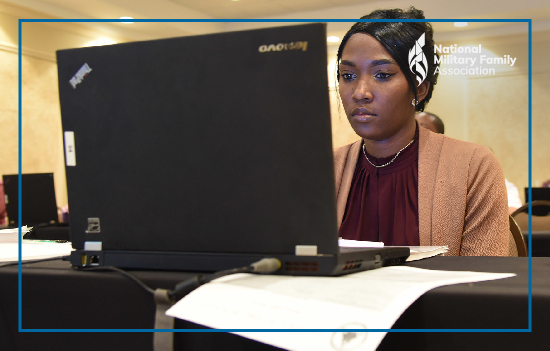
Starting or restarting your education as a military spouse can feel overwhelming. Every time you gain momentum, a PCS, deployment, or schedule change can interrupt your goals. Many spouses have shared that when they sit down to research schools, they feel stuck before they even get started.
If this sounds familiar, you’re not alone. Many of us at NMFA have lived the military life ourselves, understand these challenges firsthand, and are here to help.
Whether you are exploring a new degree, finishing one you already started, or preparing for a career shift, the steps below can help you move forward with clarity and confidence.
Move 1: Define Your Goal
Before exploring programs or applications, take the time to clarify what you want. Your goal sets the direction for everything that follows.
Are you pursuing a:
- degree
- certification or license
- career pivot
- fast skill upgrade
- remote or portable career path
Short-term goals can help you build momentum quickly, while long-term goals shape the career you want to grow into. Many military spouses gravitate toward fields with flexibility and growth potential, including healthcare, technology, business, education, counseling, and project management.
There is no right or wrong place to begin. What matters most is choosing a direction that aligns with your life today and your goals for tomorrow.
Move 2: Choose Your Pathway Wisely
Today’s higher education landscape offers many options. The best choice is the one that fits your schedule, mobility, and family needs.
- Community Colleges: Affordable and flexible, with strong options for starting or restarting coursework and building foundational credits.
- Four-Year Universities: Ideal for bachelor’s or advanced degrees and often offer strong academic advising and professional networks.
- Online and Hybrid Programs: Designed for mobility and especially helpful during PCS moves, deployments, or irregular schedules. Many four-year institutions now offer fully online programs that move with you.
A simple guiding question can help narrow your options: What learning environment will realistically support my life over the next few years?
Move 3: Understand Your Funding Options
Financial barriers are real, but many military spouses fund their education without taking on overwhelming debt. Understanding your options early can expand what feels possible.
Joanne Holbrook Patton Military Spouse Scholarships: Since 2004, NMFA has provided scholarships to military spouses pursuing degrees, certifications, and licenses. These awards help ease financial pressure and support spouses in staying on track, even through PCS cycles and family transitions.
Education Benefits: Some military spouses may be eligible for education benefits through the GI Bill. Eligibility and requirements vary, so it is important to review official guidance and confirm details through the Department of Veterans Affairs. Learn more here.
MyCAA: The My Career Advancement Account (MyCAA) program provides up to $4,000 in tuition assistance for eligible spouses pursuing certificates, licenses, and associate degrees. You can explore more and check your eligibility here.
Federal Financial Aid: Pell Grants, federal loans, and work-study opportunities are available through the FAFSA. Completing it opens doors that many spouses may not realize exist.
State-Based Aid: Some states offer grants, scholarships, or tuition waivers for residents, including military families.
Employer Tuition Assistance and University Scholarships: If you are currently employed, your employer may cover part of your tuition. Additional scholarships may also be available through academic departments or institutions.
Most military spouses rely on a combination of these funding sources. Starting early gives you time to explore options and build a realistic financial plan.
Move 4: Planning for Military Life
Planning can save time, reduce costs, and ease stress. Before enrolling, consider whether a program truly supports the realities of military life.
Questions to ask before enrolling:
- How do they support students who PCS mid-program?
- Do they offer asynchronous or flexible attendance options?
- Are remote testing or alternative participation options available?
- How do they handle deployment-related absences?
- Do they accept transfer credits from multiple institutions?
Use this checklist to evaluate your options:
- Accreditation
- Portability and online access
- Clear transfer credit policies
- Flexible attendance options
- Strong student support services
- Military-friendly policies
- Graduation and job placement outcomes
- Transparent total cost
The right program meets you where you are and helps you keep moving forward, even when military life changes.
Move 5: Connect With the Veteran and Military Support Staff on Campus
This is one of the most valuable and often overlooked steps.
Many colleges and universities have staff or offices dedicated to supporting military-affiliated students, including spouses. Even campuses without a formal office usually have someone assigned to assist with military benefits or student support. These professionals understand the unique challenges military families face and can help you navigate policies, unexpected life changes, and available resources.
What to do:
- Introduce yourself early
- Ask about military-friendly policies
- Explore tutoring, writing centers, counseling, and childcare resources
- Join spouse or military family groups
- Coordinate benefits through the school’s certifying official
Strong support can make the difference between staying on track and feeling overwhelmed.
NMFA’s Role: Your Partner at Every Step
Since 1969, NMFA has stood alongside military families. That experience shapes our commitment to helping military spouses access education and career opportunities that support long-term stability and future success. We understand how interconnected the challenges of military life are, and we work to address them in ways that strengthen the whole family.
Our support includes:
- Joanne Holbrook Patton Military Spouse Scholarships, which reduce financial barriers during moves, deployments, and childcare challenges.
- Advocating for policy solutions that remove systemic barriers and reflect the realities of military life, so spouses are not forced to choose between education, careers, and service.
- Operation Purple ® Camp supports children through transitions through a free week-long camp experience.
Tell Us Your Story
Are you currently in school, or have you recently returned to the classroom? Share your experience as a military spouse. Your story helps bring visibility to the realities of military spouse education and reminds others they are not alone. By sharing your journey, you can encourage someone just beginning their first steps and help shape a more supportive path forward for military families everywhere.
Together We’re Stronger®
By: Olivia Brinsfield, Content Manager
SHARE YOUR STORY
CATEGORIES:
TAGS: