

Military Family Voting Resources
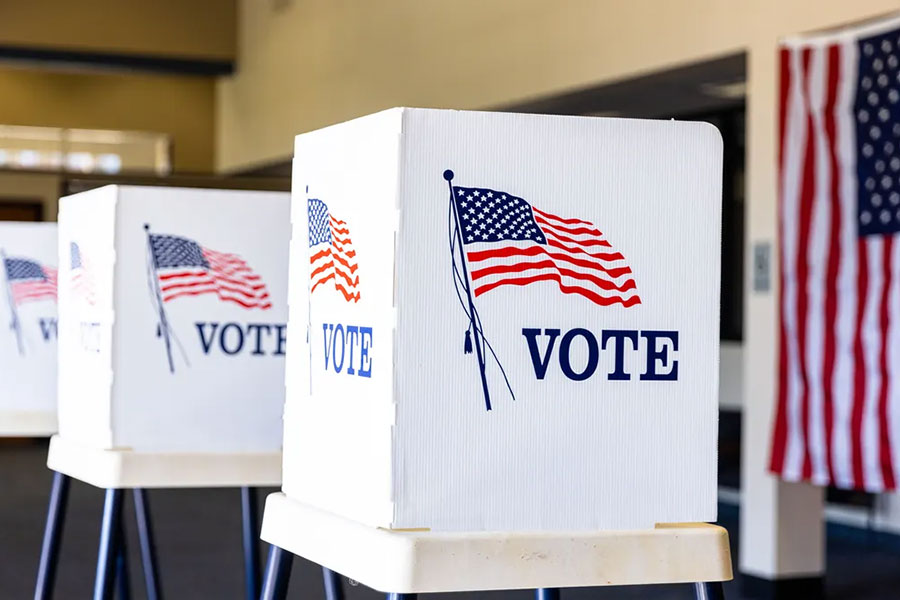
Voting is a fundamental right, and military life shouldn’t make it harder to exercise it.
Frequent moves, overseas assignments, changing addresses, and questions about residency can make voting especially confusing for military families. Whether you’re a military spouse or a military-connected teen preparing to vote for the first time, figuring out where to register, how to request a ballot, and which deadlines apply to you may not be as straightforward as it is for your civilian counterparts.
NMFA is here to help military families understand the process, navigate the unique voting rules that may apply, and help make your voices heard.
The decisions made at every level of government can affect military families. You deserve a say in them.
STEP 1: Figure Out Where You Vote
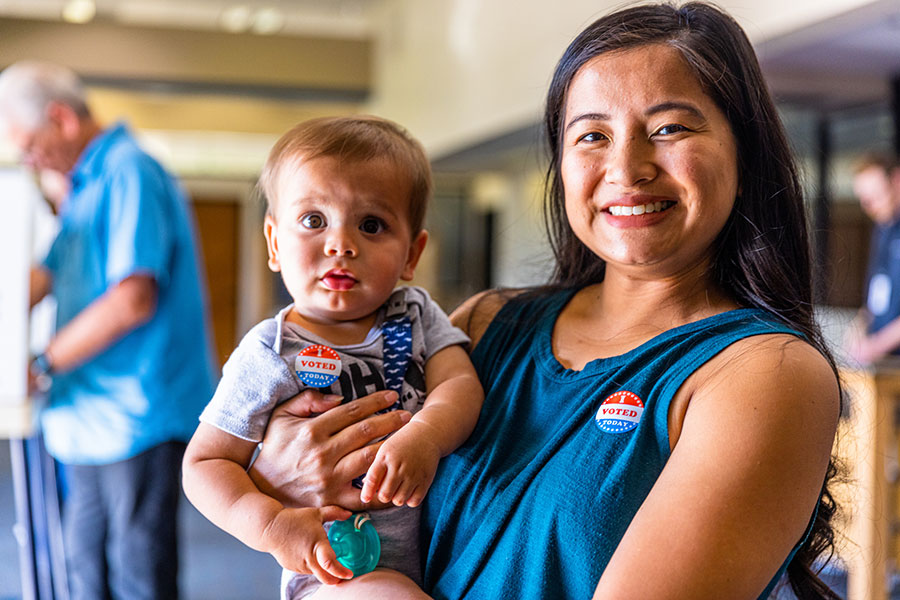
If You’re a Military Spouse
Military spouses may have options when determining their voting residence, particularly when a move happened because of military orders.
Depending on your circumstances, you may be able to:
- Keep an established state of legal residence, even when military orders take you somewhere else.
- Use the same state of residence or domicile your service member has established, even if you have never physically lived there.
- Take the necessary steps to establish residency in the state where you currently live.
You can only have one legal voting residence at a time, and choosing a voting residence may have implications beyond voting. State residency requirements vary, so check the rules for the state you are considering before making a change.

If You’re a Military-Connected Teen or Young Adult
Turning 18 and registering to vote for the very first time is exciting, but figuring out where you vote can be confusing when your family has moved from state to state or is stationed overseas.
Your voting residence will depend on your individual circumstances and the residency rules that apply to you:
- If you currently live in the United States, start by checking the voter eligibility and residency requirements for the state where you live.
- If your military family is stationed overseas, special federal voting protections should apply. (For example, military-connected young adults who turn 18 while living overseas may generally use the last U.S. address they had before moving overseas with their family.)
But because every situation is different, don’t just assume that any previous military address automatically qualifies as your voting residence. Check the requirements for the state you believe is your voting residence before registering. Military Teens can also visit our Military Teen Voters page as well!
What About My Driver’s License?
Your driver’s license is one factor that may be considered when determining residency, but the state printed on your license doesn’t necessarily determine where you must vote.
Residency requirements vary by state, and other factors may matter, too. Before changing your voting residence, make sure you understand the requirements and any potential tax or legal implications.
If you’re not sure where your voting residence should be, the Federal Voting Assistance Program (FVAP) provides voting-residence guidance specifically for service members and their families.
STEP 2: Register to Vote
Once you know where you are eligible to vote, it’s time to register.
Voting Where You Currently Live?
Use the local voter registration process for your state.
Voting Away From Your Voting Residence?
Military family members who qualify under the Uniformed and Overseas Citizens Absentee Voting Act (UOCAVA) can use the Federal Post Card Application (FPCA) to register and request an absentee ballot.
The FPCA allows eligible military and overseas voters to register and request their absentee ballot in just one step.
If you’re note which process applies to you, check your state’s requirements or use FVAP’s resources for military families before submitting your registration.
STEP 3: Get Ready to Vote
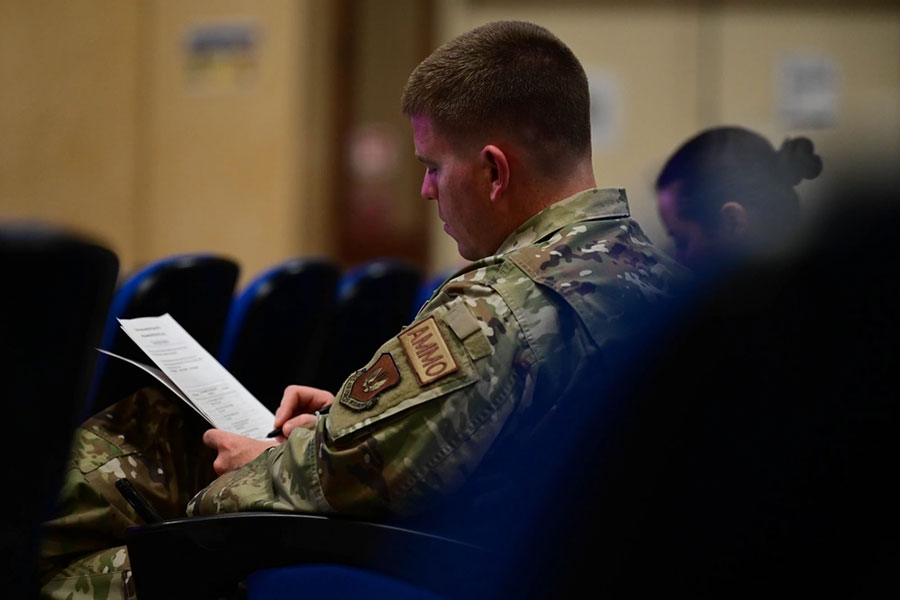
- Register or update your voter registration.
- Request your absentee ballot, if needed.
- Return your completed ballot.
- Vote early, if available in your voting jurisdiction.
- Vote on Election Day.
Registering is only the beginning. Election deadlines vary by state, and military life has a way of making calendars complicated.
STEP 4: Vote!
You’re registered, you know your deadlines, and now it’s time to make your voice heard!
There are some amazing nonpartisan tools that can help you research your ballot and understand the choices you’ll see before you vote.
And remember: if you’re voting absentee, don’t wait until the last minute to return your ballot. Give yourself plenty of time and follow your state’s instructions carefully.
Military spouses, teens and young adults know how to navigate change. With the right information and resources, you can make sure your next PCS, overseas assignment, or changing address doesn’t keep your voice from being heard.
BE THE FIRST TO KNOW
Find out about camps, scholarships, child care, family events, our advocacy work, and more.
BE THE FIRST TO KNOW
Find out about camps, scholarships, child care, family events, our advocacy work, and more.
BE THE FIRST TO KNOW
Find out about camps, scholarships, child care, family events, our advocacy work, and more.

We Need Your Help More Than Ever