

In Honor of Gold Star Mothers and Families
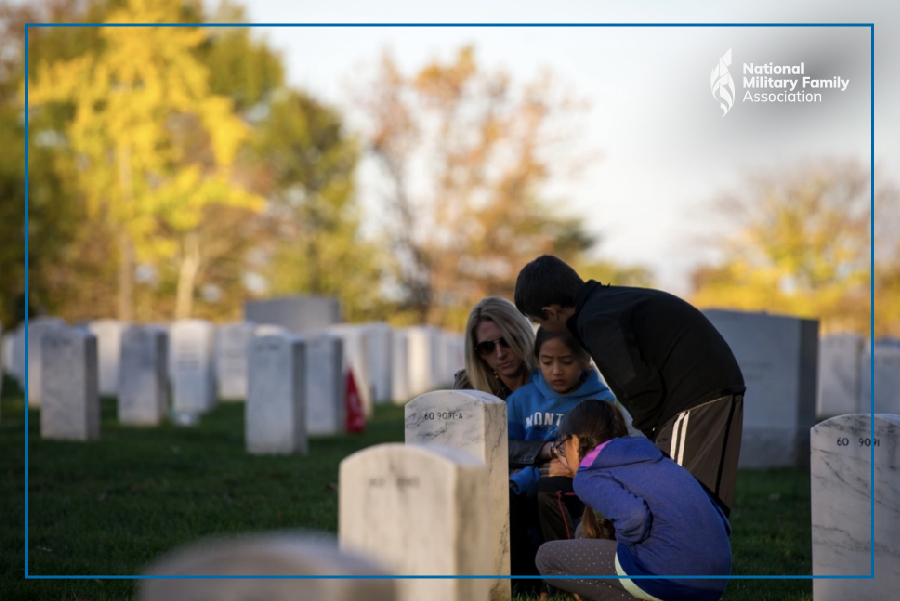
Much of military life is measured in orders, deployments, duty stations, and homecomings. But some experiences cannot be marked by an end date.
For Gold Star families, the death of a loved one in military service becomes an enduring part of the family’s story. Long after ceremonies conclude and public attention moves on, mothers, fathers, spouses, children, siblings, and other loved ones continue to carry the memory of someone whose life was inseparable from their service to our country.
Observed on the last Sunday of September, Gold Star Mother’s and Family’s Day asks the nation to pause and recognize these families, not only for the depth of their loss, but for the lives they continue to honor, the memories they preserve, and the love that endures.
A Tradition of Remembrance
The Gold Star tradition dates back to World War I, when families displayed service flags in their windows with blue stars representing loved ones serving in the military. If a service member died, a gold star was placed over the blue, becoming a visible sign that someone from that home would not return.
In 1936, Congress designated the last Sunday in September as Gold Star Mother’s Day. Today, the observance extends more broadly to Gold Star mothers and families, recognizing the loved ones who continue to carry the memory of those who died in military service.
More than a century later, the gold star remains one of the military community’s most solemn symbols, because behind every star is something far more personal: a name.
Behind that name is an entire life, filled with favorite meals, familiar laughter, inside jokes, childhood stories, plans for the future, and countless memories that remain deeply woven into a Gold Star family’s story.
Remembering that person, in the fullness of who they were and not only through the circumstances of their death, is at the heart of honoring a Gold Star family.
When Service Leaves a Lasting Absence
Military families understand that service can ask a great deal of those who volunteer and of the families who stand beside them. For Gold Star families, that reality can take on a profound and lasting weight.
Their grief may unfold alongside experiences unique to military loss, including casualty notifications, military funerals, folded flags, memorial services, anniversaries, and continued ties to units or communities that were once part of everyday life.
But grief also lives in quieter places.
It can surface as a parent marks another birthday; a child reaches a milestone without a mother or father there to see it, or a spouse builds a future different from the one they once imagined. It can be felt by a sibling who realizes that new people entering their life will never have had the chance to know someone who remains central to their family’s story.
There is no single Gold Star experience, just as there is no single way to grieve. Some families may welcome public remembrance, while others may hold their memories more privately. Some may speak often about their loved one; others may choose not to.
Honoring Gold Star families means making room for all of those experiences, without expectation of what remembrance or grief should look like.
Remembrance Means More Than Remembering the Loss
Gold Star families are frequently described as strong or resilient. Those words can be true. But strength should never become an expectation that asks families to make profound loss easier for the rest of us to witness.
Perhaps one of the most meaningful things we can offer instead is remembrance.
To remember a fallen service member is to recognize that their life mattered beyond the day it ended. It is to understand that saying their name does not create a Gold Star family’s grief; in many cases, it acknowledges a person the family is already thinking about every day.
And remembrance should extend beyond one observance.
Military communities have a particular opportunity to ensure surviving families know they remain part of this community for as long as they choose to be. Military survivor programs provide long-term resources and assistance, reflecting a responsibility that does not end when the immediate period following a loss has passed.
This Gold Star Mother’s and Family’s Day, we can make that remembrance personal.
If you know a Gold Star family, follow their lead. Listen when they want to share. Say their loved one’s name. Remember the dates that matter to them. Make space for grief and joy, for stories and memories, without assuming what remembrance should look like.
The gold star is a symbol, but it represents something profoundly human: a life that mattered, a person who is still deeply loved, and a family whose remembrance continues long after a single day of observance has passed.
Together We’re Stronger®
By: Olivia Brinsfield, Content Manager
SHARE YOUR STORY
CATEGORIES:
TAGS: