

Navy Spouse Lara Morris on Building and Sustaining a Career in Nursing
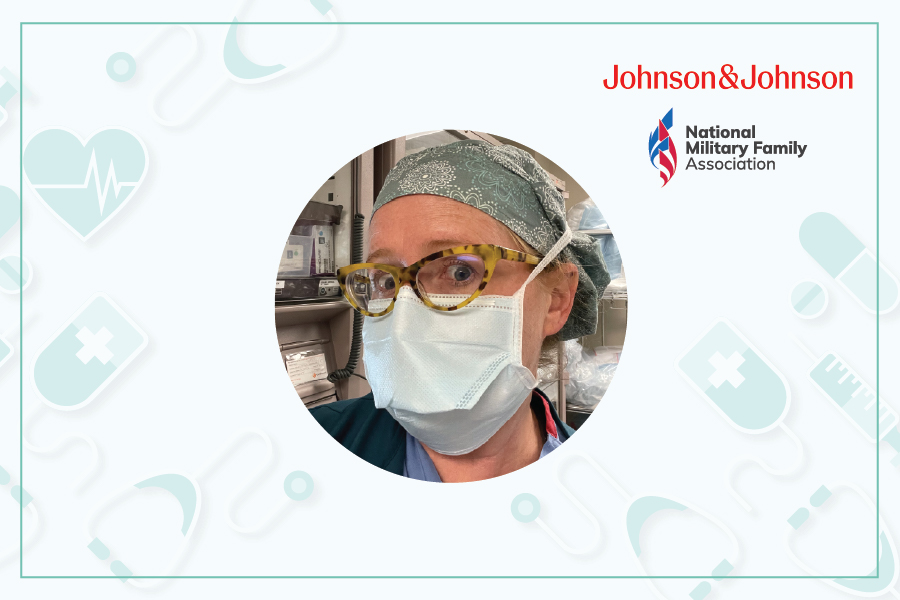
For many military spouses, nursing offers the promise of a meaningful career that can move with them from one duty station to the next. Hospitals and healthcare facilities exist across the country, and the skills nurses develop can open doors in communities far from home.
But for Navy spouse Lara Morris, maintaining a nursing career through 18 years of military life and six PCS moves has meant navigating professional setbacks, lengthy employment gaps, and difficult decisions about what is best for her family.
Her story offers a candid look at the challenges military spouse nurses face and why having a portable profession does not always translate into a sustainable career.
A Career Built on Determination
Lara’s journey into nursing began long before she became a military spouse.
As a single mother working in telemarketing, she was searching for a career that could provide greater financial stability for her family. When she spotted a newspaper advertisement for a paid certified nursing assistant (CNA) program at a local hospital, she seized the opportunity.
From there, she continued building her career, becoming a surgical technologist, earning her associate degree in nursing, and eventually completing her Bachelor of Science in Nursing.
The hospital where she began her healthcare career also offered something that would become increasingly difficult to find: an on-site daycare center with extended hours designed to accommodate working parents.
By the time her husband joined the Navy, Lara was an established operating room (OR) nurse at a hospital she loved.
Then military life introduced an entirely new set of challenges.
When a PCS Means Starting Over
Lara’s first military move took her family to Whidbey Island, Washington, where her specialized nursing experience made finding employment particularly difficult.
With limited opportunities at the nearby rural hospital, she spent two years unemployed before securing another position in the operating room.
For Lara, the challenges extended well beyond finding a new job.
Operating room nursing often requires unpredictable schedules and on-call shifts. When her husband was deployed, those demands became especially difficult to manage without nearby family members who could help with child care.
Each move also brought about the possibility of new licensing requirements, unfamiliar hospital systems, and the need to rebuild professional relationships.
While former colleagues advanced into management positions and established long-term retirement benefits, Lara found herself repeatedly adjusting her career to accommodate military life.
“It’s nearly impossible to build a nursing career beyond worker bee status,” she shared, reflecting on the challenges of maintaining professional momentum without the opportunity to remain in one location.
Her experience illustrates an important distinction in military spouse employment: finding a job after a PCS move is not the same as having the opportunity to build and sustain a career.
Adapting Her Career to Military Life
Despite those challenges, Lara continued finding ways to put her nursing skills to work.
During a period when her husband’s sea duty and deployment schedule made operating room nursing especially difficult, she stepped away from her specialty and spent seven years primarily providing respite nursing for families enrolled in the Exceptional Family Member Program (EFMP).
The change allowed her to continue caring for others while better accommodating her family’s needs.
When she eventually returned to the operating room, she discovered that her years away had not erased the clinical knowledge she had worked so hard to develop.
“Names of instruments I hadn’t had in my hands in years came right back to me,” she recalled.
Her colleagues were surprised to learn how long she had been away from the OR.
The Value of Military Spouses in Nursing
Through six PCS moves and years of professional transitions, Lara brings a perspective shaped by her experience as both a nurse and a military spouse.
“Military spouses are experts on change and quickly adapting,” she shared.
Having worked in six different operating rooms, Lara has witnessed a wide range of hospital procedures, workplace cultures, and approaches to patient care.
That experience has given her valuable insight into how healthcare teams can improve their processes, even when established workplaces may be hesitant to embrace suggestions from a new employee.
For military spouse nurses like Lara, career interruptions do not diminish the expertise they bring to the workplace. Their diverse experiences, adaptability, and commitment to patient care are strengths that deserve to be recognized and valued.
Recognizing the Full Picture
Looking back, Lara is candid about the sacrifices she has made and the career she might have built had her family remained in one place. Her experience offers an important perspective on military spouse nursing, but her story is one of many.
Across the military community, nurses navigate different combinations of professional opportunities, family responsibilities, and the demands of military life. While some find opportunities for growth with each new chapter, others face career interruptions and difficult decisions that are not always visible to those outside the military community.
Military spouse nurses bring a wealth of experience to healthcare, shaped by the hospitals where they have worked, the communities they have served, and the patients they have cared for throughout their careers. Their adaptability and diverse perspectives enrich the nursing profession and strengthen the care they provide. For healthcare employers, recognizing the value of these professionals means understanding the unique circumstances of military life. It also means creating workplaces where military spouse nurses can contribute their expertise, pursue professional advancement, and reach their full potential.
Military spouses deserve more than the opportunity to find their next job. They deserve the chance to build lasting, meaningful careers that continue to grow and thrive, no matter where military life takes them.
Share Your Nursing Story
Every military spouse nurse has a story worth telling, and we want to hear yours! Whether you’re just beginning your nursing journey or have years of experience, your perspective matters. Share your experiences, challenges, and accomplishments with NMFA and help us celebrate the many ways military spouses contribute to the nursing profession.
Together We’re Stronger®
By: Olivia Brinsfield, Content Manager
SHARE YOUR STORY
CATEGORIES:
TAGS: