
Grief and Loss in Military Family Life

BE THE FIRST TO KNOW
Find out about camps, scholarships, child care, family events, our advocacy work, and more.
Grief doesn’t always begin with a death.
For military families, loss can take many forms: saying goodbye before a deployment, leaving a community during a PCS, adjusting to changes in a loved one after they return home, losing a job or sense of identity, or navigating the death of someone you love.
Some of these experiences are recognized as grief. Others are so common in military life that families may feel like they are simply expected to move forward.
But a loss does not have to be permanent or visible to others to matter.
Understanding Different Types of Grief
Giving an experience a name can help military families understand what they are feeling and recognize when they may need additional support.
Anticipatory Grief
Anticipatory grief happens before an expected loss or major change.
Military families may experience it in the weeks or months leading up to a deployment, PCS, job transition, separation, or dangerous assignment. Even when the change is expected or has positive aspects, families can begin grieving what they are about to leave behind.
Ambiguous Loss
Ambiguous loss occurs when there is a loss without a clear ending or sense of closure.
A loved one may be absent during a deployment or assignment, or they may return home physically present but changed by what they experienced. Families can also grieve changes in relationships, roles, routines, or the version of family life they once knew.
It makes sense to grieve something that has changed, even when the person or relationship is still part of your life.
Disenfranchised Grief
Some losses receive significant support and recognition from others. Others may be minimized, overlooked, or not recognized as grief at all.
This is sometimes called disenfranchised grief.
Military families may experience this after a PCS, divorce, pet loss, job loss, loss of community or identity, or a death related to suicide, overdose, or addiction. You may be grieving something others have normalized or may not even see.
Cumulative Grief
Military life can involve repeated cycles of separation, transition, and loss.
When losses happen repeatedly, or before a family has had time to adjust to an earlier one, grief can accumulate.
Frequent goodbyes can create grief that never fully settles. Each PCS, deployment, career transition, or change in family life may carry its own loss of community, identity, routine, or stability.
Grief During Deployment and PCS
Deployments and moves are familiar parts of military life, but familiarity does not necessarily make them easy.
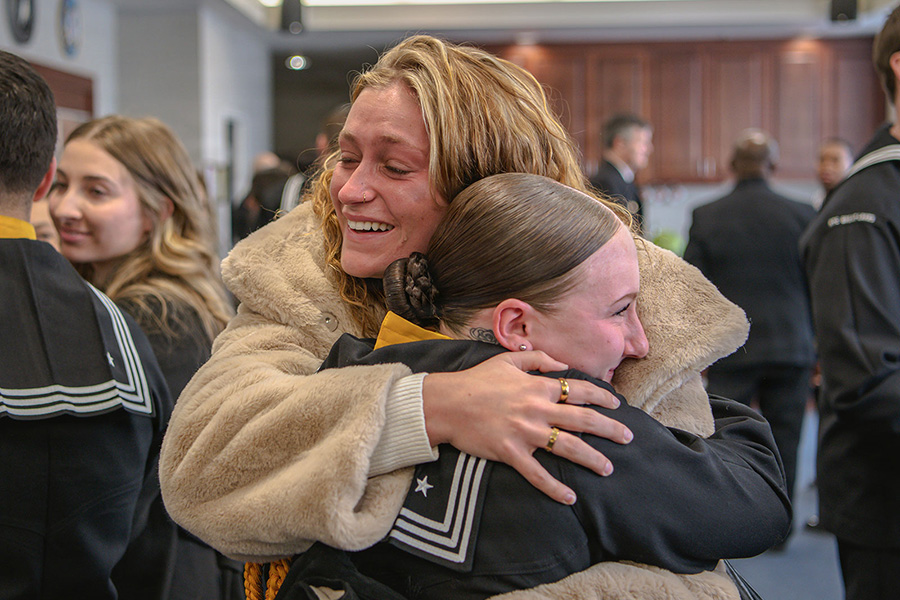
A deployment can bring grief even when everyone comes home safely. Families may grieve missed milestones, changed relationships, lost routines, or time they cannot get back.
PCS moves can bring similar feelings. A new duty station may bring new opportunities and adventures while also requiring families to leave behind friendships, schools, careers, neighborhoods, support systems, and a sense of belonging.
Those experiences can exist together. You can be excited about what comes next while still grieving what you are leaving behind.
Finding Grief Support
You do not have to navigate grief alone. These organizations and resources offer information, peer support, and services for military and veteran families experiencing different kinds of loss.
The Tragedy Assistance Program for Survivors
(TAPS) provides compassionate care and comprehensive resources for people grieving a death in the military or veteran community.
Military OneSource: Grief and Bereavement
Military OneSource provides information and support for service members and military families coping with grief, bereavement, and the death of a loved one.
Military OneSource: Surviving a Loss to Suicide
Military OneSource offers resources specifically for families coping with the death of a loved one by suicide, including guidance for supporting children and navigating grief as a family.
VA Grief and Loss Resources
The Department of Veterans Affairs offers information to help veterans and their families understand grief, recognize common responses to loss, and identify useful strategies and resources.
Eluna’s Camp Erin Online
Eluna’s Camp Erin programs support children, teens, and families who are grieving the death of someone significant in their lives. Online resources offer activities and tools families can use wherever they live.
Peer Support
Connecting with someone who understands military life can help you feel less alone during difficult seasons. Peer support programs can provide a space to talk through experiences, transitions, and challenges with others in the military and veteran community.
Coping With PCS Grief
Leaving a duty station can mean leaving behind friendships, routines, careers, schools, and a community your family worked hard to build. Resources addressing PCS grief can help families recognize these feelings and prepare for the emotional side of relocation.
Your Grief Does Not Have to Look Like Someone Else’s
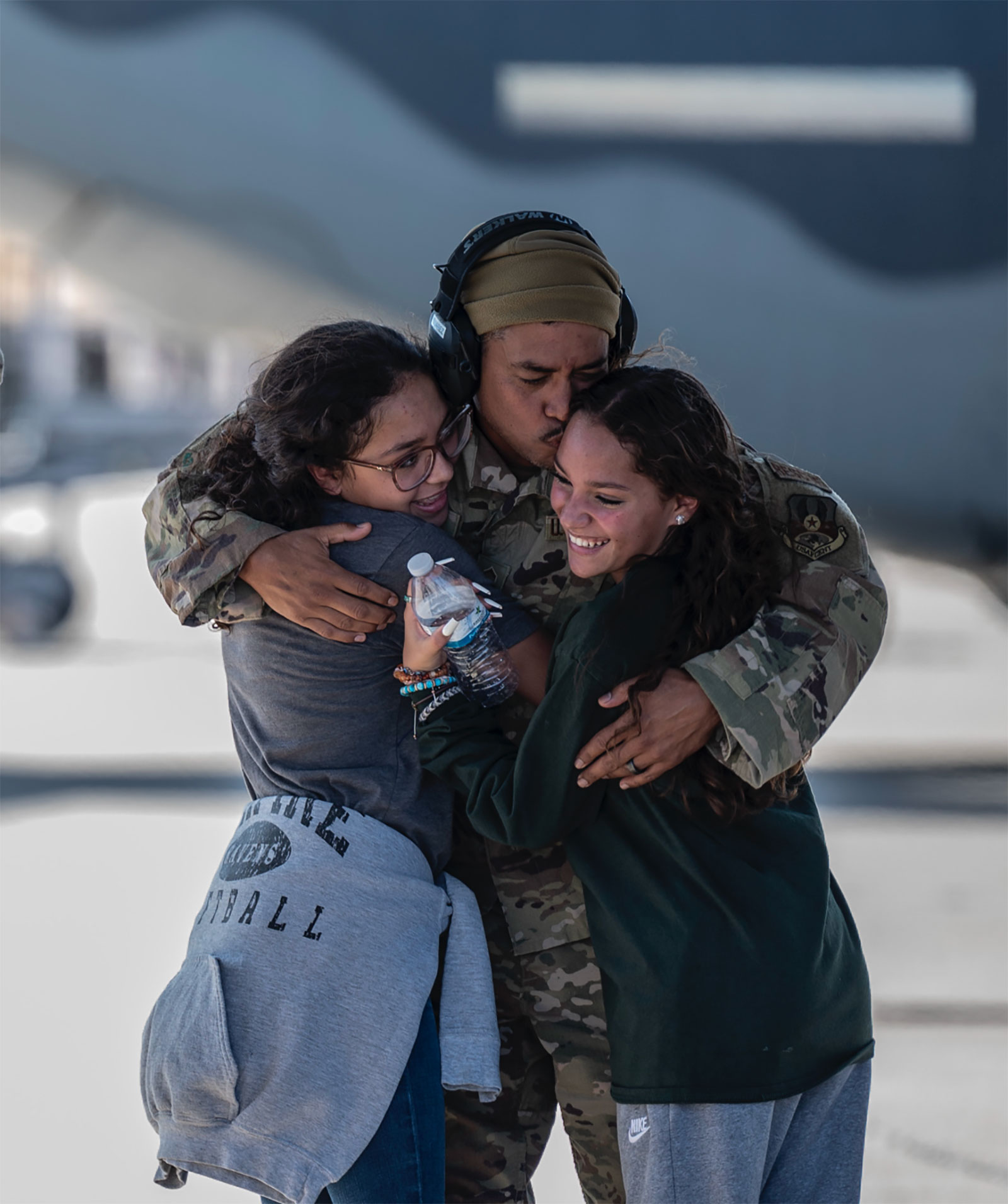
There is no single way military families experience loss.
You may be mourning someone who died, preparing for a separation, rebuilding after a move, adjusting to a changed relationship, or simply missing a version of your life that no longer exists.
Whatever the source, grief deserves space to be acknowledged.
BE THE FIRST TO KNOW
Sign up for the NMFA newsletter to stay updated on our camps, scholarships, family events, our advocacy work, and more.